Quick facts: birds, bats and tree work
- The law
- Wildlife and Countryside Act 1981: all wild birds, their eggs and nests are protected.
- Offences include
- Intentionally killing, injuring or taking a wild bird; taking, damaging or destroying a nest while it’s being built or in use; taking or destroying eggs.
- Schedule 1 birds
- Some species (e.g. barn owl) also can’t be disturbed while nesting, whether intentionally or by not taking enough care.
- Penalties
- Up to an unlimited fine and six months in prison per offence (GOV.UK).
- Nesting season
- No fixed legal dates. The RSPB’s main nesting season is March to September; it recommends cutting hedges 1 September to 28 February and still checking.
- Farm hedgerows
- Separate rules: hedgerows on or next to agricultural land mustn’t be cut or trimmed 1 March to 31 August (Rural Payments Agency).
- Bats
- All bat species and roosts are fully protected. Cutting down or removing branches from mature trees can harm bats; a licence from Natural England is needed if harm can’t be avoided.
- Advice & reporting
- National Bat Helpline (Bat Conservation Trust) for bats; police 101 and ask for a Wildlife Crime Officer (RSPB).
Checked 27 September 2026 against: GOV.UK: wild birds (opens in a new tab); Wildlife and Countryside Act 1981 s.1 (opens in a new tab); RSPB (opens in a new tab); GOV.UK hedgerow rules (opens in a new tab); GOV.UK: bats (opens in a new tab). Details can change, so confirm on the official page before you rely on them.
Who this guide is for: Chelmsford, Essex homeowners planning tree or hedge work in spring or summer, and anyone who wants to understand why a tree surgeon may suggest a later date.
What the law says (in general terms)
In England, wild birds are protected by the Wildlife and Countryside Act 1981 (opens in a new tab). GOV.UK’s guidance from Natural England and Defra says you’re breaking the law if you intentionally kill, injure or take wild birds, intentionally take, damage or destroy a wild bird’s nest while it’s being used or built, or intentionally take or destroy an egg. It lists trimming or cutting trees, bushes, hedges and rough vegetation among the activities that can affect birds, particularly in the breeding season (wild birds: protection and licences (opens in a new tab)).
Some species listed in Schedule 1, such as the barn owl, have extra protection against disturbance near the nest. GOV.UK says offences can bring an unlimited fine and up to six months in prison for each offence. This is a summary, not legal advice.
Nesting season in practice
The law doesn’t set a “no cutting” date for gardens. What it does mean is that anyone cutting trees and hedges must make sure no active nests are harmed. The RSPB describes March to September as the main nesting season and recommends cutting hedges between 1 September and 28 February, while still checking, because some birds start early or breed late. If you do need to cut at other times, it suggests three steps (RSPB (opens in a new tab)):
- Watch the area for a few days for birds repeatedly flying in and out.
- Check the hedge, tree or shrub thoroughly for active nests before cutting.
- Use hand tools rather than powered ones, as they’re easier to stop if you find wildlife.
For farm hedgerows, the Rural Payments Agency’s hedgerow management rules say hedgerows on or next to agricultural land mustn’t be cut or trimmed from 1 March to 31 August (GOV.UK (opens in a new tab)). These rules don’t cover ordinary garden hedges.
What a careful tree surgeon will do
- Check the tree or hedge for nests and signs of bats before starting, and again as work progresses.
- Suggest booking larger jobs (removals, big reductions, hedge renovations) for autumn and winter when possible.
- Stop work near an active nest and come back once it’s no longer in use.
- Recommend a bat survey by an ecologist if a mature tree has features bats might use.
- Still deal with genuinely dangerous trees promptly, taking care to avoid harm to wildlife.
Planning ahead is the easiest way to avoid delays. See our winter tree work guide, and ask about timing when you request a quote for hedge cutting or tree removal.
Bats and trees
GOV.UK says all bat species, their breeding sites and resting places are fully protected by law as European protected species. You’re breaking the law if you deliberately capture, injure or kill bats, damage or destroy a breeding or resting place, obstruct access to their resting places, or intentionally or recklessly disturb a bat in a place of shelter. It lists cutting down or removing branches from a mature tree as an activity that can harm bats, recommends an expert survey where bats may be affected, and says a mitigation licence from Natural England is needed if harm can’t be avoided (bats: protection and licences (opens in a new tab)).
The National Bat Helpline (opens in a new tab), run by the Bat Conservation Trust, gives free advice on behalf of Natural England if you think you have bats in or near your home.
Protected trees and wildlife
Wildlife law applies even where no council permission is needed. GOV.UK’s Tree Preservation Order guidance says anyone carrying out work to a tree, even under an exception, should make sure they don’t break laws protecting wildlife (TPO guidance (opens in a new tab)). If the tree is protected, see our TPO and conservation area guide too.
Frequently asked questions
Is it illegal to cut hedges or trees in nesting season?
No, the work itself isn’t banned. The Wildlife and Countryside Act 1981 makes it an offence to intentionally take, damage or destroy an active nest (being built or in use), or to kill, injure or take wild birds. The RSPB says you can legally cut vegetation year-round as long as no active nests are damaged, but recommends avoiding hedge cutting from March to September.
When is bird nesting season in the UK?
The law sets no fixed dates. The RSPB describes March to September as the main nesting season and notes some birds start in January or February or breed late into September.
What happens if a tree surgeon finds a nest?
The work near the nest should stop and wait until the young have fledged and the nest is no longer in use. A careful contractor will check before starting and may suggest a later date.
What are the penalties?
GOV.UK says you could get an unlimited fine and up to six months in prison for each offence against wild birds. It gives the same maximum penalties for offences against bats.
How do I know if a tree has bats?
You often can’t tell from the ground. GOV.UK lists cutting down or removing branches from a mature tree as an activity that can harm bats, and says an expert bat survey may be needed. The National Bat Helpline gives free advice about bats in homes.
Who do I report suspected nest destruction to?
The RSPB recommends calling the police on 101 and asking for the local Wildlife Crime Officer.
Sources
All checked 27 September 2026. We link to the official page rather than repeat details that change often.
- GOV.UK (Natural England and Defra): wild birds, protection and licences (opens in a new tab)
- legislation.gov.uk: Wildlife and Countryside Act 1981, section 1 (opens in a new tab)
- RSPB: top tips to help nesting birds (opens in a new tab)
- GOV.UK (Rural Payments Agency): hedgerow management rules (opens in a new tab)
- GOV.UK (Natural England and Defra): bats, protection and licences (opens in a new tab)
- Bat Conservation Trust: National Bat Helpline (opens in a new tab)
- GOV.UK: Tree Preservation Orders and trees in conservation areas (opens in a new tab)
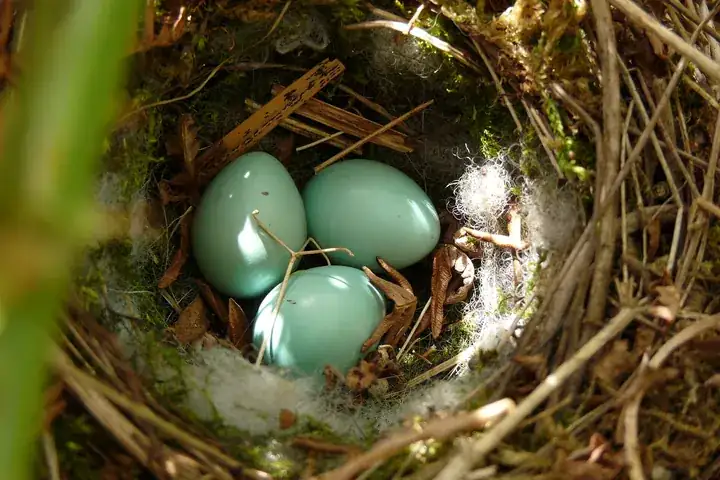
- Hero photo: “Dunnock (Hedge Sparrow) Nest 16-05-10” by nottsexminer, CC BY-SA 2.0 (opens in a new tab), via Wikimedia Commons (opens in a new tab) (cropped).
Need a tree surgeon?
If you’d like a free quote, we can pass your enquiry to an independent local tree surgeon in Chelmsford. Related services:
- Hedge trimming & cuttingRegular trims, height reductions and overgrown hedges and conifer screens brought back under control.
- Tree removal & fellingStraight felling where there’s room, or section-by-section dismantling in tight Chelmsford gardens.
- Pruning & crown reductionCrown reduction, thinning, lifting and deadwood removal to keep a tree healthy and in proportion.
Related guides
- Winter tree work & pruning timesWhy many jobs suit the dormant season, which trees are the exceptions, and planning ahead.
- TPOs & conservation areasHow to check if a tree is protected in Chelmsford, how to apply, timescales and dead or dangerous trees.
Get a free, no-obligation quote
Tell us about the job and we’ll pass it to an independent local tree surgeon covering your part of Chelmsford.